By Joan Nanteza,
In the rolling hills of Kabweyakiza village, a quiet conservation revolution is coming. National Associations of Professional Environmentalists (NAPE) is implementing a project titled; “Sustainable Conservation of Nabakazi Wetland Ecosystem for Carbon Sequestration Enhanced Household Food Security and Improved Community Livelihoods in Coffee Producing District of Mubende with support from Partner für Klima und Natur gGmbH (PKN).
When NAPE’s Community Green Radio outreach team visited the community of Kabweyakiza, on top of birds’ voices were bees. many wooden hives were lined near Nabakazi wetland, coffee gardens, and homesteads, all owned and managed by communities, majority of them youth and women. What started as a small climate adaptation and restoration initiative is now a powerful story of environment, food and livelihood transformation. Before beekeeping, residents say they were cutting trees for charcoal to survive. They stopped cutting trees because bees need flowers and trees,” says Kabarwani Maria, a mother, a pastor and a chairperson of Kabweyakiza Bethlehem church Women Bee Keeping Group. She said they planted coffee and other trees instead. The communities had planted over 2,000 trees of coffee, Calliandra, mangoes and oranges to feed the bees in return for pollution honey and enhanced climate nourishment. This she said had increased crop pollination, restored degraded land, and created a natural windbreak.
The communities around Nabakazi wetland for long had a challenge of digging gardens in the buffer zones, and monkeys invading their gardens badly. She said with the presence of bees there are very few cases of monkeys invading their gardens, as bees act as security in areas where they exist to a greater extent.
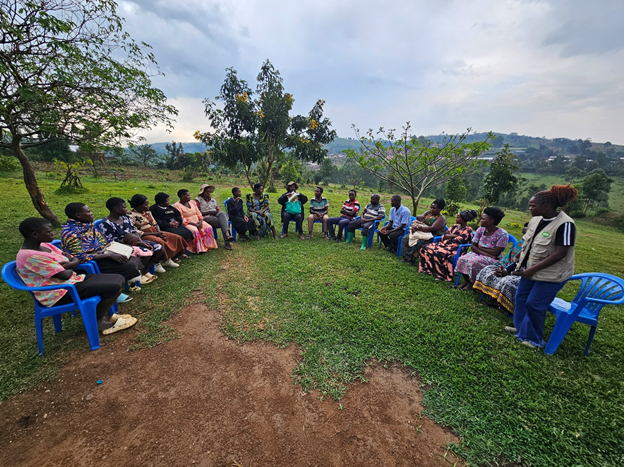
Plate 1. focus group discussion with the bee keepers during the outreach visit to Kabweyakiza.
The presence of bees has also reduced the use of harmful chemicals, as farmers now have to protect pollinators in return for high yield. The coordinator of one-acre model in Kabweyakiza noted that, “Where bees are, the environment heals and coffee production increases. Deforestation has dropped greatly in Kansambya parish since beekeeping started. “More yield in the gardens of their maize, beans and coffee increased. They noted that the presence of bees was the reason. They pollinate their crops for free,” one member told Green Radio outreach team.
Communities from the sale of the sale of honey, they bought some of the clothing used for honey harvesting. They met medical bills and paid scholl fess for their children in school. After the discussion, communities took the team to the site where bees have been gazzetted next to Nabakazi wetland and demonstrated harvesting and sample of the product was got. The communities told the team that during the rainy season there is always low honey yield. Experts confirm that bee pollination increases crop yields by 30% to 70%, they yield lowers in rainy season. In Kabweyakiza, farmers growing coffee, tomatoes, passion and fruits now harvest more without adding expensive fertilizers. This project is largely improving the environment generally livelihoods of women and girls largely as they are the ones at the center. This is where the story is loudest.
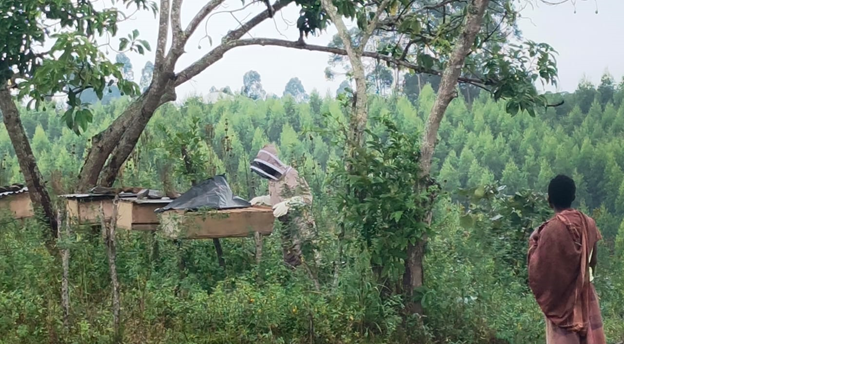
Plate 2. Honey harvesting demonstration during the outreach visit.
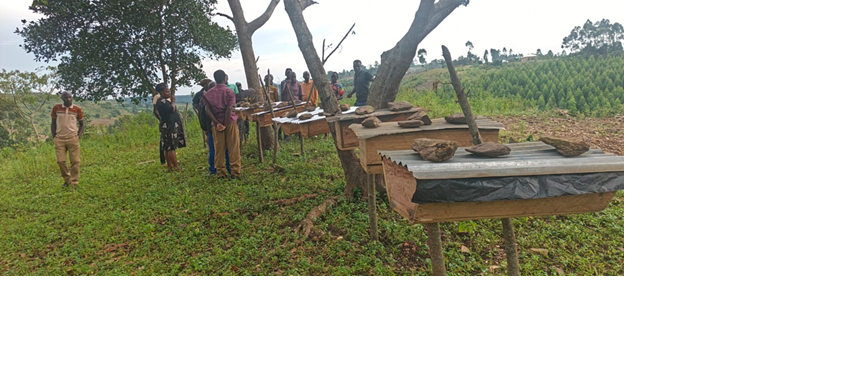
Plate 3. Plate 2 above was left to rejuvenate naturally.
When participants were asked about the next steps they said they anticipate to earn more from value addition, that is make extra products such as beeswax candles, petroleum jelly, propolis and medicinal syrups. This will boost their income and enhance their support for one another with ease. they said that they were initially housewives, who are transforming into businesswomen. They meet, save and support each other
The challenges they still face include; buying fake organic chemicals on the market which cannot be identified by their eyes, pests, like wax moths, and lack of protective gears. They also said they were experiencing limited market access.
They called upon district leadership and NGOs to support with more training on value addition, modern hives, and honey processing equipment.
A Lesson learnt by the outreach team is that, the community in Kabweyakiza is proof that small insects like bees can deliver big solutions with less energy, pollution, greener environment, more food, and dignified livelihoods. As Community Green Radio team, “we believe this model should be replicated across Mubende and beyond. The bees are not just making honey. They are making hope through environmental enhancement”.
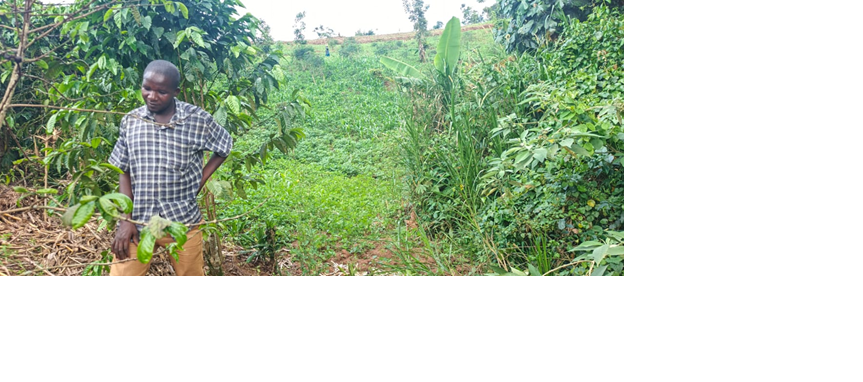
Plate 4. The buffer near the apiary project that has been left by communities to regenerate
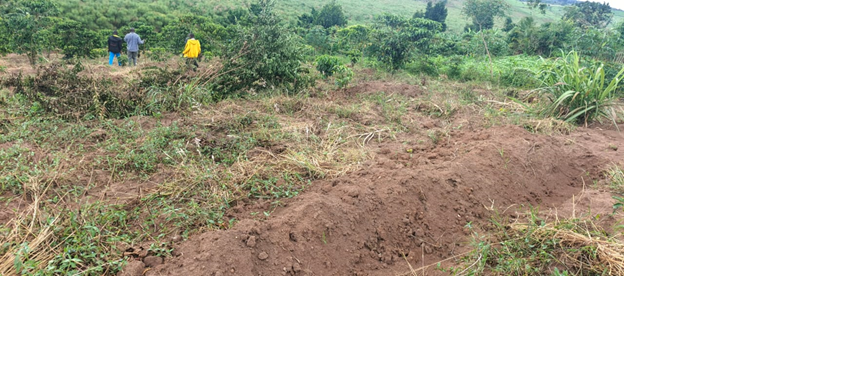
Plate 5. Soil conservation practices in the buffer zone with in the project area of Nabakazi where communities are rearing bees.
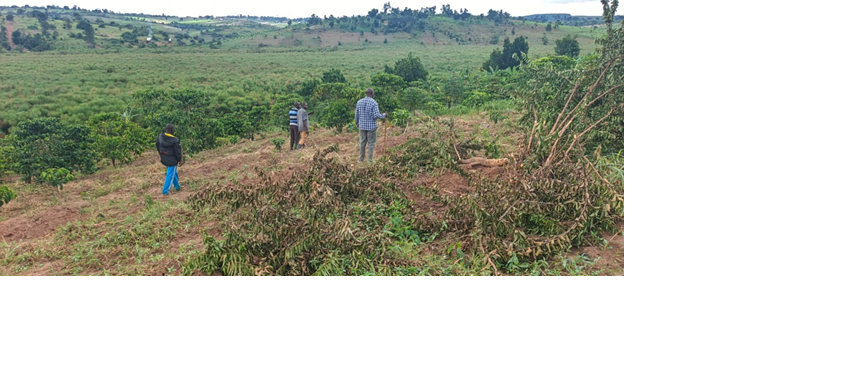
Plate 6. Coffee growing for protection of the buffer zones in many parts along the Nabakazi wetland ecosystem.