by Ainomugisha Shiba
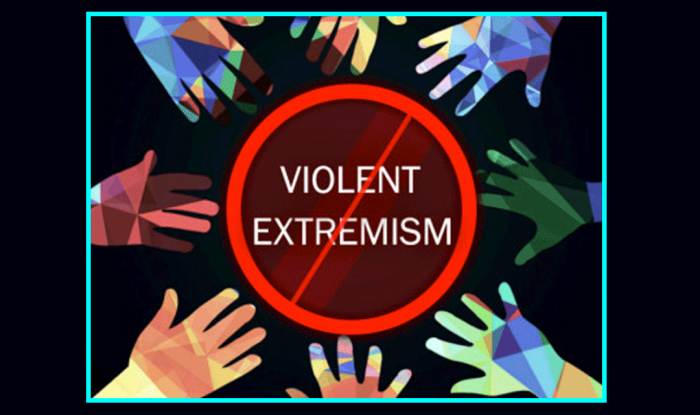
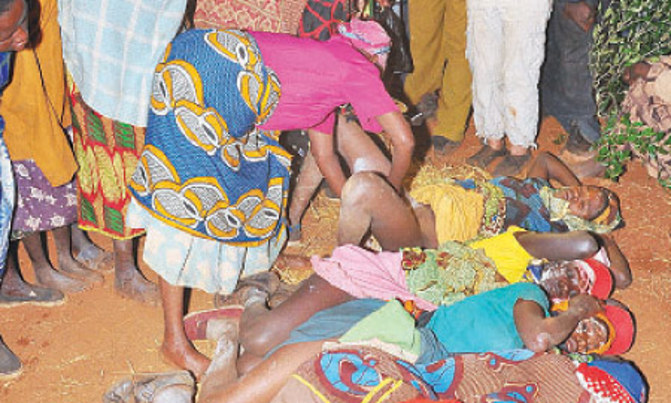
Violent extremism is defined as willingness to use unlawful violence by others, to promote a political, ideological or religious goal. It has also been used interchangeably with “terrorism”. Violent extremism remains a critical challenge to peace, stability, and development in Uganda. Although the country has not experienced widespread insurgency in recent years, isolated incidents and the presence of extremist networks highlight the continued risk. The most recent one was in 2025, 3rd June in Munyonyo outside Munyonyo Martyrs’ Shrine, where Ugandans were celebrating Uganda Martyrs day. Two suspected Allied Democratic Forces (ADF) rebels, including a female suicide bomber, were killed in an explosion. (https://www.aljazeera.com/news/2025/6/3/two-suspected-uganda-rebels-killed-in-kampala-explosion)
On 16th November 2021 at around 10:00am, while all peace loving Ugandans were going about their work, terrorists aimed their tools of terror in the Central Business District at Central Police Station and Parliament Avenue which houses several Government and private offices, resulting in the death of 3 people alongside 3 suicide bombers and injuring 36 others. (https://uhrc.ug/statement-on-the-twin-bomb-attacks-at-central-police-station-and-parliament-avenue-on-16th-november-2021/)
On 16th June 2023 rebels of the Allied Democratic Forces (ADF), a jihadist group linked to the Islamic State, attacked a secondary school in Mpondwe, a town in western Uganda’s Kasese District on the border with the Democratic Republic of the Congo. 42 people were killed, including 38 students; 8 were injured.(https://en.wikipedia.org/wiki/Mpondwe_school_massacre)
November 1, 2025, at dawn, coordinated attacks were carried out by assailants across multiple areas within our police regions of Rwenzori West and Rwenzori East. In Rwenzori West, the attacks targeted the districts of Bunyangabu, Bundibugyo in Kakhuuka parish- Sindira subcounty, Fort Portal City around Nyakasura School and Canon Apollo Core PTC and Kabarole district.(https://upf.go.ug/security-forces-foil-attacks-in-the-regions-of-rwenzori-west-and-rwenzori-east/)
The drivers of violent extremism in Uganda are complex and interrelated. One of the most significant factors is socio-economic marginalization, particularly among youth. High levels of unemployment and limited access to education and economic opportunities create a sense of frustration and exclusion, making young people vulnerable to recruitment. Ideological manipulation, often through distorted religious narratives, further contributes to radicalization, especially where individuals lack access to accurate religious education. Governance challenges, including perceptions of injustice, corruption, and political exclusion, also play a role in fueling grievances that extremist groups can exploit. Additionally, social networks, peer influence, and the use of digital platforms have facilitated the spread of extremist ideologies and recruitment strategies, increasing the reach and impact of such groups.
Furthermore, periods of political tension, especially during elections, have seen the mobilization of youth into violent groups and militias, reflecting how political and social instability can foster extremist tendencies. These scenarios collectively illustrate that violent extremism in Uganda is not confined to one form but manifests across religious, political, and social dimensions.
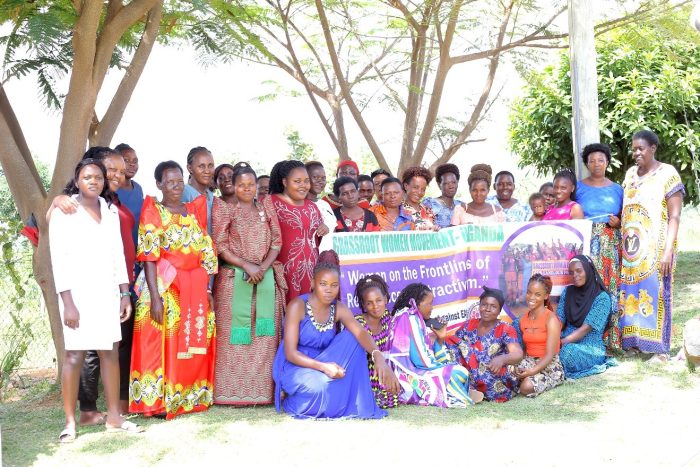
Gender plays a central role in shaping both the dynamics of violent extremism and the effectiveness of prevention strategies. In Uganda, young men are more frequently recruited into extremist and violent groups due to societal expectations that associate masculinity with economic provision, strength, and dominance. These expectations, combined with limited economic opportunities, make men particularly susceptible to involvement in violent activities. However, women are not merely passive victims of violent extremism. They can also serve as recruiters, informants, and supporters within extremist networks, sometimes voluntarily and in other instances through coercion or manipulation. At the same time, women are disproportionately affected by the consequences of violent extremism, including displacement, loss of livelihoods, and gender-based violence. Importantly, women hold significant potential as agents of prevention. Their roles within families and communities position them to identify early signs of radicalization, influence social values, and promote peace building initiatives.
Preventing violent extremism in Uganda requires a multi-dimensional and inclusive approach. Socio-economic empowerment is critical, particularly through job creation, vocational training, and entrepreneurship programs targeting youth. Education systems must also be strengthened to promote critical thinking, tolerance, and accurate religious understanding, thereby countering extremist narratives. Community-based interventions, including dialogue and trust-building initiatives between citizens and state institutions, are essential for fostering social cohesion and reducing grievances. A gender-sensitive approach must be integrated into all prevention strategies, ensuring that both men and women are actively involved in peace building efforts. Empowering women, addressing gender inequalities, and recognizing their role in early warning systems can significantly enhance prevention outcomes. Furthermore, rehabilitation and reintegration programs for individuals formerly involved in extremist activities are necessary to reduce recidivism and promote long-term stability.
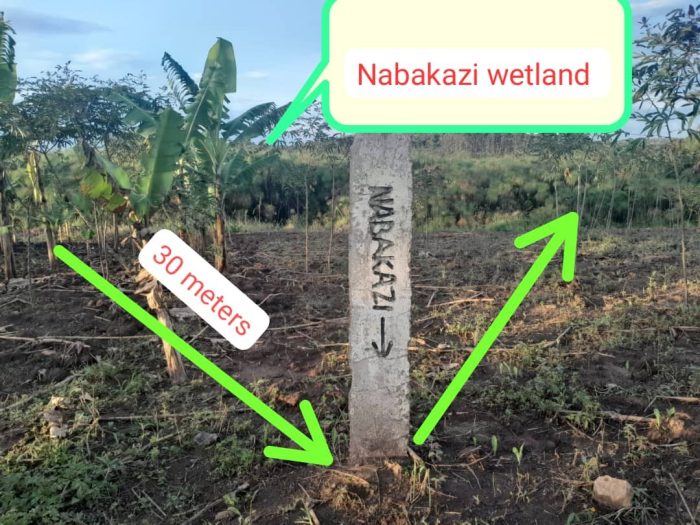
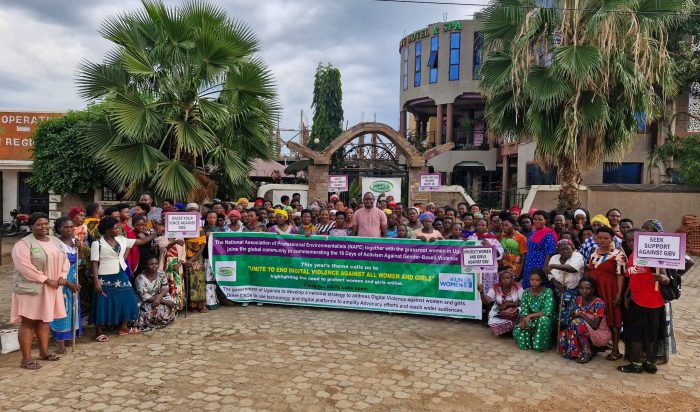
The National Association of Professional Environmentalists (NAPE) contributes to preventing violent extremism by addressing some of its root causes, particularly those related to environmental and socio-economic challenges. Environmental degradation and resource-based conflicts can exacerbate tensions and create conditions that extremist groups exploit. Through its work in promoting environmental justice, sustainable resource management, and community empowerment, NAPE helps to reduce these vulnerabilities. The organization also engages in community sensitization and advocacy, fostering awareness, participation, and social cohesion. By strengthening community resilience and promoting inclusive development, NAPE indirectly but significantly contributes to peace building and the prevention of violent extremism.
In conclusion, violent extremism in Uganda is a multifaceted issue influenced by socio-economic, political, ideological, and gender-related factors. Addressing it effectively requires a holistic and gender-responsive approach that combines development, governance, and security interventions. Recognizing the distinct roles and experiences of men and women enhances the effectiveness of prevention strategies. Institutions such as NAPE play a vital role in tackling underlying drivers and building resilient communities. A coordinated and inclusive framework remains essential for ensuring sustainable peace and preventing the spread of violent extremism in Uganda.
Tags: extremism, Gender, NAPE, violent