In a land Mark ruling by the Ugandan High Court, National Association of Professional Environmentalists (NAPE) has been approved as a Friend of court to provide expert information and evidence on cases of environmental rights abuse (deforestation and climate change) to protect environmental Rights, combat biodiversity loss and combat impacts of deforestation on indigenous communities.
NAPE applied to the court to be an amicus to court and on the 24th June 2024, the Ugandan High Court granted an application to intervene in a potentially seminal case on deforestation was brought by Greenwatch against the Attorney General (AG) and National Forest Authority (NFA) seeking a declaration that the AG and NFA had failed in their duty as trustees for the citizens to protect the environment, and this resulted in the abuse of a clean and healthy environment. Their failure to protect the environment has put citizens at risk of disease. They are seeking orders for the protection of the forest cover and mitigating the effects of climate change.
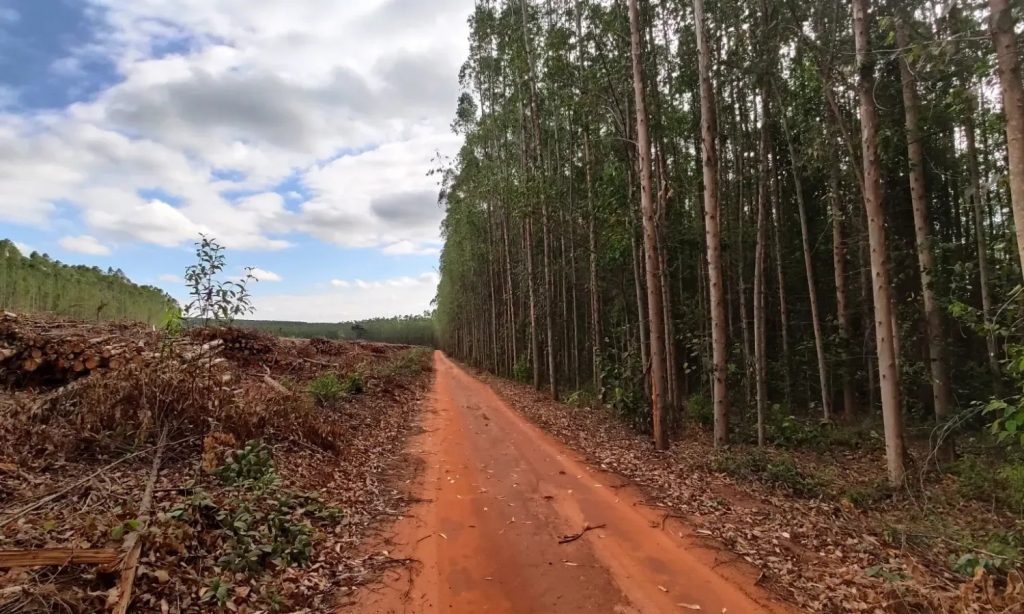
NAPE submitted its memorandum, and it is hoped that the court will use this memorandum to develop an opinion that will be important for the protection of the environment. The challenge is one brought by NAPE in response to state policies allowing for the loss of immense swathes of Ugandan forest and woodland cover since the 1980s, with over 2.5% of remaining cover lost every year.
The amicus included an expert opinion on deforestation in Uganda and made arguments regarding the Paris Agreement on and the public trust doctrine. Here, NAPE relied on the public trust doctrine to argue that the Ugandan government holds the forest on trust for the benefit of Ugandan citizens. The amicus also addressed the Ugandan constitutional right to a healthy environment and international jurisprudence on the right to life in relation to environmental protection.
In a notable move, the judge solicited insights on factors influencing biodiversity loss, emphasizing the profound impact of deforestation on indigenous communities. Landmark’s Alex Goodman KC and Yaaser Vanderman drafted the amicus curiae in this case, citing research by King’s College Human Rights and Environmental Legal Clinic. They acted on behalf of NAPE, and were instructed Pro bono by King’s College Legal Clinic and they underscored critical arguments invoking the Paris Agreement and the public trust doctrine.
NAPE’s admission as Amicus Curiae was an important step for environmental justice and public interest litigation in Uganda. In the past, it had been difficult for organizations and experts to participate in court cases as Friends of the Court. The new position and actual admission of NAPE as Amicus provide a great opportunity for experts to present their cases. This intervention marks a pivotal moment in Uganda’s environmental jurisprudence, addressing the urgent need for sustainable conservation practices amid escalating ecological challenges.
This case presents another chapter in environmental litigation where NGOs and other persons not parties to suits can file in courts or present their professional/expert knowledge on issues of the environment before courts of law to enable courts to arrive at informed, balanced, and fair decisions.
Although the court has not yet made a final decision on the case at the time of this report, NAPE’s admission as amicus in an environmental case is an important achievement for the development of Public Interest Litigation (PIL). It provided a strong basis for NAPE to participate in future environmental cases and continue supporting communities, protecting environmental rights, reducing environmental destruction, and promoting the sustainable use of Uganda’s natural resources.