By David Kureeba
Healthy forests and wetlands are the foundation of sustainable communities’ livelihoods. They provide clean water, support biodiversity, regulate local climates, and sustain livelihoods. Yet across Central Uganda, these important ecosystems continue to face growing pressure from deforestation, wetland encroachment, unsustainable agriculture and climate change.
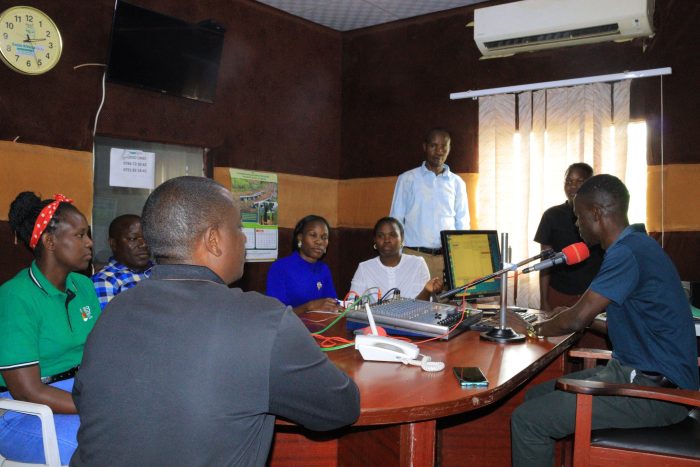
To inspire this collective action, NAPE Community Green Radio organized a live talk show to introduce and deepen public understanding of its Forest Protection and Wetland Restoration Promotion Program. The program is designed to put local voices and practical action at the center of environmental recovery in central Uganda and later to other regions. The show served as both an explanation of the initiative and a call for wider community participation.
The Forest Protection and Wetland Restoration Promotion Program is a community-led initiative that works with villages in Gomba, Mubende, and Kassanda and other neighboring districts to conserve remaining natural forests and restore degraded wetlands Nabakazi being one of the main ones. It combines environmental education, hands-on restoration work, and support for sustainable livelihoods that reduce pressure on forests and wetlands. The program operates through community groups, local leaders, and partnerships with environmental organizations, government/local leaders, with Community Green Radio acting as the communication and mobilization hub. The moderator explained
It was noted and made clear to the listeners that, Central Uganda has lost significant forest and wetland cover over the last two decades due to charcoal burning, illegal logging, agricultural encroachment, and the planting of eucalyptus in swamps. This has led to reduced water levels, soil erosion, lower agricultural yields, and increased vulnerability to drought and floods coupled with excessive use of agrochemicals to boost crop production. The program addresses this by tackling the root causes: low awareness, limited alternatives for income and weak local management structures. By linking conservation to livelihoods and climate resilience, which makes environmental action relevant to daily life.
The programme officer said the program targets forest-dependent households, women’s and youth groups, and community forest management committees as primary participants. Secondary partners include, district environment officers, cultural and local council leaders, and schools with eco-clubs. Community Green Radio’s outreach team and other team players including the Executive Director of NAPE Mr. Rajab Bwengye Yusufu to continue facilitating engagements by visiting communities, recording testimonies, and bringing community concerns to the airwaves. The show will feature these actors so listeners hear directly from people leading and benefiting from the work. The community representative Aggrey Byabasheija of Kabweyakiza, Kansambya Madudu Mubende continues to appreciate their involvement in awareness creation on wetlands and forest restoration. He said restoration and protection of wetlands begin with them because they interface with these resources on a daily.
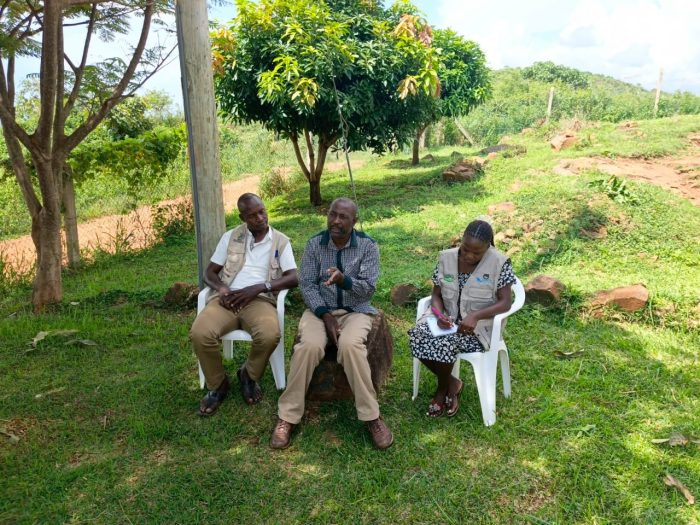
A community representative Aggrey Byabasheija of Kabweyakiza, Kansambya Madudu Mubende being interviewed after the talk show at NAPE Community Green Radio
During the talk show, the team of discussants outlined concrete actions already underway and planned for the next phase. These include:
Restoration activities: Removing eucalyptus from wetlands, replanting with indigenous species, and establishing tree nurseries managed by local groups.
Sustainable livelihoods: Training households in sustainable NTFP harvesting, beekeeping, and value addition to create income without degrading forests.
Community governance i.e supporting groups to develop and enforce by-laws for forest and wetland use, and linking them to district structures for legal recognition.
Public awareness i.eUsing radio programs, field visits, and school outreach to shift attitudes and promote community monitoring of illegal activities.
The talk show also opened phone lines for listeners to ask questions, share experiences, and volunteer for upcoming activities. By bringing the program out of the field and into people’s homes through radio, Community Green Radio ensures that conservation is not done for communities, but with them. The goal is simple: healthy forests, functional wetlands, and stronger, more resilient communities.